All the flowers of all the tomorrows are in the seeds of today.
Ready to stop letting life happen to you? Discover how to wire your mind, regulate your nervous system, and use somatic grounding to clear mental weeds, step out of survival mode, and actively co-create a life that truly flourishes.

Quantum Gardening: How to Wire Your Mind, Body, and Energetic Soil for Lasting Fulfillment
Think of a young apprentice who started with only basic tools and a deep desire to learn. Through years of steady practice, they eventually became a master artisan whose work was known worldwide. This story reminds us that great achievements begin with simple beginnings and consistent, steady effort. Have you ever wondered how a tiny seed buried in the ground grows into a vibrant, beautiful flower? This natural process is the perfect metaphor for our lives, summed up in the proverb:
"All the flowers of all the tomorrows are in the seeds of today."
While the exact origin of this saying is unclear—often attributed to both Indian and Native American wisdom—the underlying truth is universal. Similar sayings, such as "As you sow, so shall you reap," remind us that what we do now dictates what comes next.
Your actions, choices, mindset, and efforts today are the living seeds of your future. From these seeds, your "flowers"—your accomplishments, joy, resilience, and fulfillment—will grow. But potential alone isn’t quite enough; a seed left unattended without soil, water, or sunlight remains just a seed. To flourish, we need to actively and patiently nurture our potential using a mix of heart, mind, and simple, daily habits.
"Potential alone isn’t quite enough; a seed left unattended without soil, water, or sunlight remains just a seed."
This guide is here to help you take charge of shaping a life that flourishes, rather than just letting life happen to you. It’s a practical, hands-on toolkit for living with more intention and ease.
🧠 The Quantum Mindset: Tending Your Mental Soil
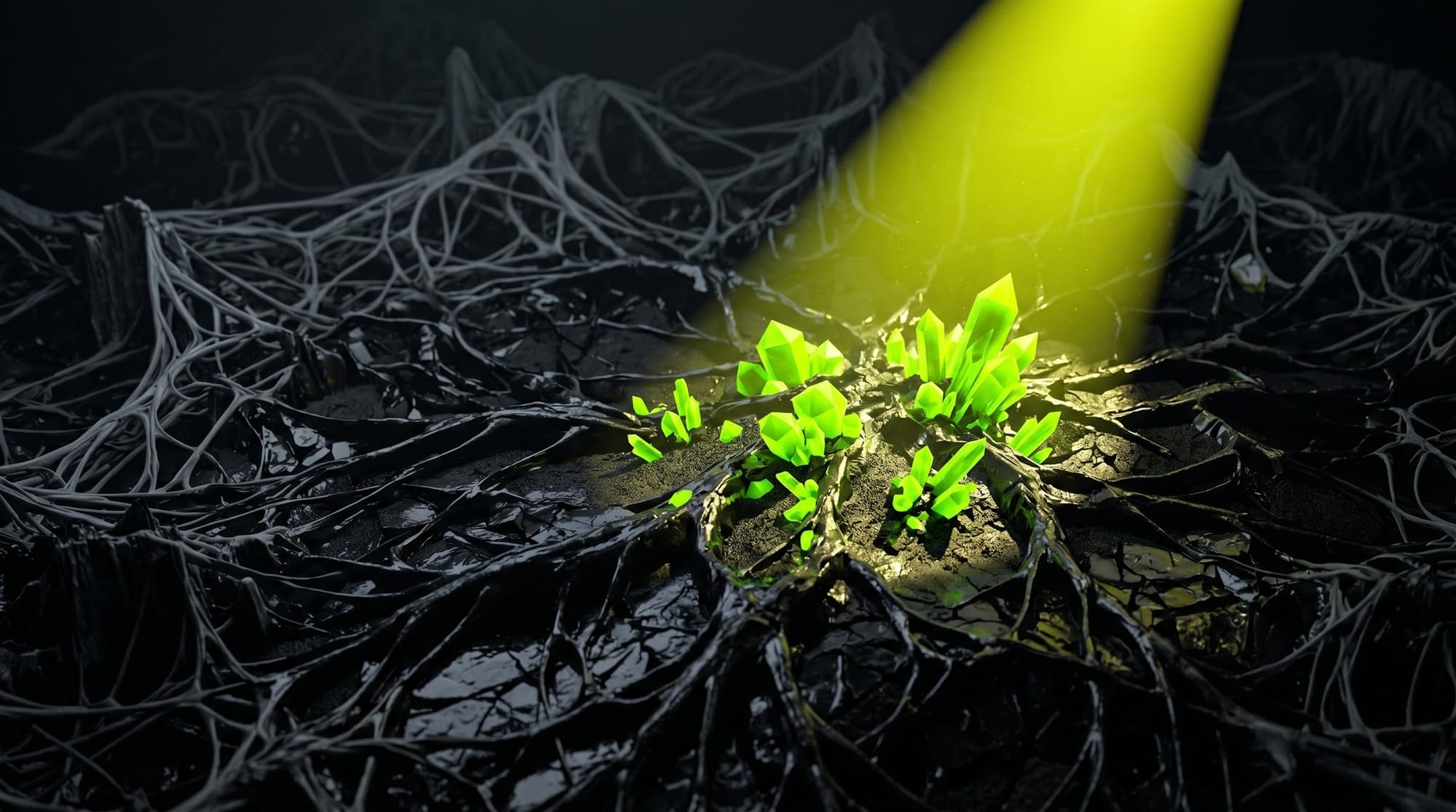
Just as rich soil helps a seed thrive, your mindset shapes your growth. Think of your attention as a spotlight: wherever you point it, that is where your energy goes. If you constantly focus on "what’s wrong," negative self-talk, or limiting beliefs, you are essentially sowing weeds that choke out your potential.
Instead, practice the Observer’s Audit. Throughout the day, take a quick pause and ask, "What am I currently focusing on?" If the answer is stress or worry, consciously shift your attention to a "seed"—a success, a moment of grace, or a goal you’re excited about—for just 10 seconds. You are literally training your brain to scan the world for opportunities rather than problems, rewriting your neural pathways over time through neuroplasticity.
Neurologically, this process directly activates your Reticular Activating System (RAS)—the brain’s physical filtering gateway. By consciously auditing what you observe, you program your neural pathways to actively scan your environment for opportunities that align with that focus, transforming a quantum probability into a physical reality.
🧠 The Quantum Connection: Mindset Meets Biology
* The Esoteric Concept: Your attention acts as a spotlight, transforming a quantum probability into a physical reality.
* The Scientific Foundation: Neuroplasticity and the Reticular Activating System (RAS)—the brain’s physical filtering gateway that programs your neural pathways to scan your environment for opportunities.
Simple Steps to Clear the Weeds
When negative self-talk creeps in, don't ignore it—gently clear it out:
Quick Clear: 3 Steps to Clear the Weeds
- 🪞 Name it: Catch and identify the specific negative thought.
- ❓ Question it: Ask if the thought is 100% true, or look for evidence against it.
- 🌱 Replace it: Plant a kinder, more realistic, and constructive thought in its place.
⏳ Tip: If your mind keeps spinning in circles, schedule 10 minutes of "Worry Time" later in the day, then redirect your focus for the rest of your morning.
Remember, your external environment heavily impacts this soil. The people you spend time with, the media you consume, and your physical surroundings can act as either nourishing fertilizer or a pesticide. Choose your influences wisely.
🧭 Your Body as a Compass: The Somatic Anchor

To turn these metaphysical concepts into reality, we must understand the body as a geography of consciousness. When we feel stuck or stagnant in a specific area of our lives, it often manifests as physical tension, numbness, or bracing in the corresponding anatomical region.
Think of your physical body as an intuitive radar system where ancient energetic centers directly overlay major biological nerve plexuses and endocrine glands. When emotional energy stagnates, it manifests as physical bracing in these neurological hubs:
- Stability: When you feel financially ungrounded or anxious about basic survival, focus on bringing stability to your feet, legs, and the base of your spine (the coccygeal plexus), which represents your roots and fundamental stability.
- Relationships: When you feel closed off or disconnected from others, focus on opening and breathing into your heart center (the cardiac plexus and thymus gland), which governs empathy, open communication, and emotional vulnerability.
- Purpose: When you feel stuck in your career or lack willpower, focus on your gut and solar plexus (the celiac plexus) to ignite confidence, regulate digestion, personal power, and destiny execution.
- Creativity: When you feel uninspired or blocked, focus on your lower belly, pelvis, and sacral center to restore fluid expression and emotional rejuvenation.
How to do it: When you feel blocked in any domain, place your hand gently on the corresponding physical area. Take a slow, deep breath directly into that space, and consciously ask the tissue to soften and open. It’s a simple, immediate way to use your physical presence to unlock your energetic potential.
The Geography of Consciousness: Somatic Map:
🏡 8 Domains for Your Life Garden

A flourishing life requires balance across multiple interlinked areas; progress or neglect in one area ripples into all the others. Here is how to nurture the eight key areas of your life with simple, everyday tools:
Education & Skill Development
- The Seed & Flower: Curiosity and learning blossom into expertise, adaptability, and opportunity.
- Practical Actions: Read one industry article per week, practice a language skill for 15 minutes daily using an app, or enroll in a specific online course.
- Potential Pitfalls: Falling into information overload or pursuing trends rather than genuine interests.
- The Tool (Akasha Journaling): Before you study or learn something new, light a single candle to signal a transition from mundane thought to higher learning. Take three minutes to sit quietly, visualizing a golden thread connecting your mind to a collective lineage of knowledge. Spend five minutes writing stream-of-consciousness thoughts down on this reflection prompt: "What hidden potential or ancient curiosity is seeking expression through this new skill?" This simple ritual helps you learn with deep resilience rather than pressure.
Cultivating Strong Relationships
- The Seed & Flower: Empathy, clear communication, and quality time blossom into support, a sense of belonging, and collaboration.
- Practical Actions: Schedule a weekly call with a friend far away, plan a dedicated tech-free hour with your partner, or practice active listening.
- Potential Pitfalls: Taking relationships for granted or avoiding difficult conversations out of fear.
- The Tool (Heart Resonance): Before entering a big conversation or quality time, close your eyes and picture the person. Breathe deeply into your heart center and imagine a warm, soft emerald green light glowing there. As you breathe out, mentally send that light to surround them, intending that it "unknot" any energetic tension or friction, restoring mutual respect, healthy boundaries, and openness.
Prioritizing Health & Wellness
- The Seed & Flower: Healthy everyday habits and self-care blossom into vital energy, resilience, and longevity.
- Practical Actions: Add an extra serving of vegetables to dinner each day, take two 30-minute walks this week, and aim for 7–8 hours of restful sleep each night.
- Potential Pitfalls: Falling into "all-or-nothing" thinking where missing one workout derails your entire routine.
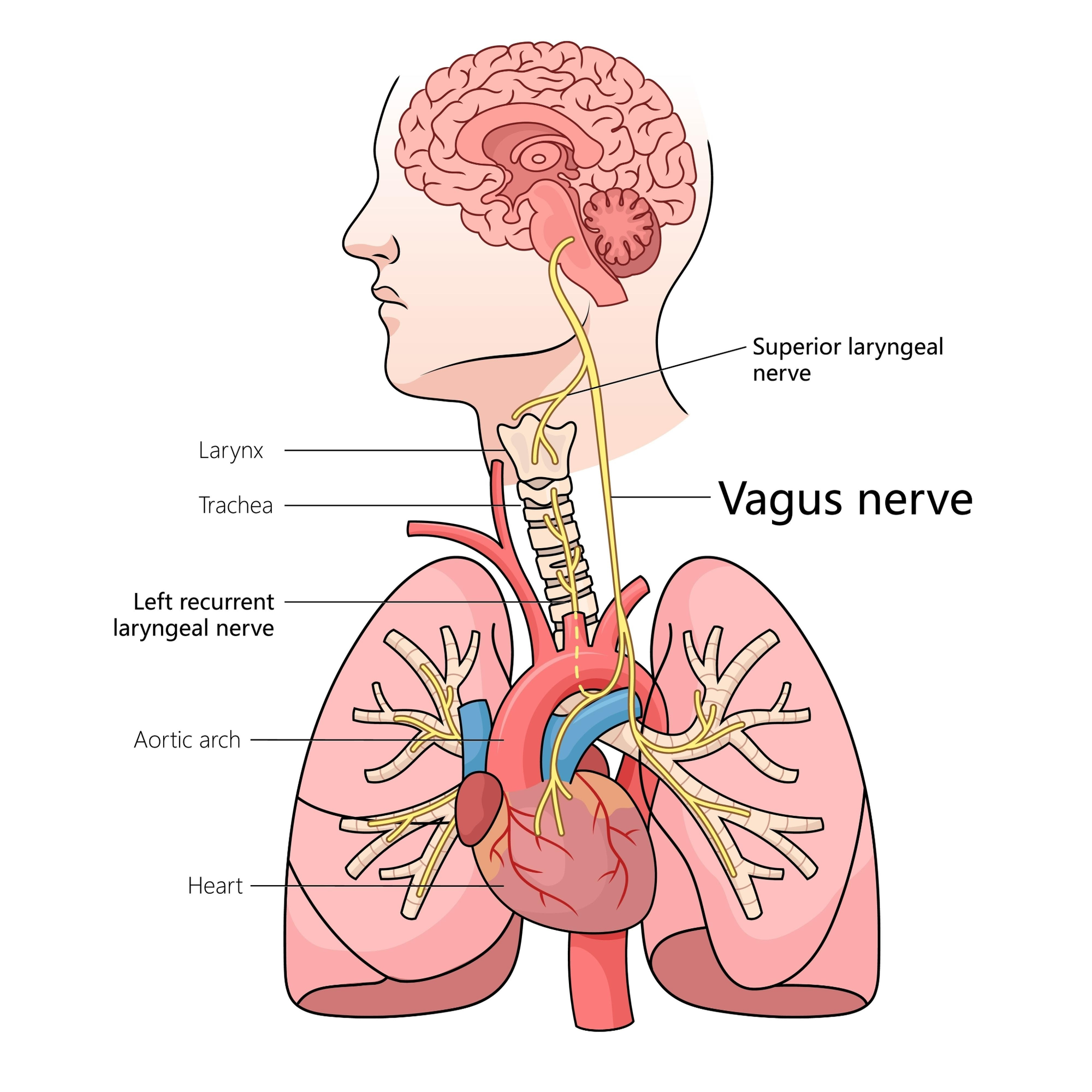
- The Tool (The Vagal Reset): Your body has a built-in "calm down" button run by the Vagus nerve, which governs your "rest and digest" healing mode. Because the muscles that move your eyes are wired directly into the same part of your brainstem alongside the Vagus nerve, a simple shift of your gaze manually coaxes your nervous system out of survival mode. Sit upright without moving your head, and turn your eyes as far to the right as is comfortable. Hold your gaze there until you feel a real, involuntary urge to yawn, sigh, or swallow. Repeat on the left side to engage this physical "brake" on stress and step into growth, repair, and sustainable health.
⚡ Somatic Science: The Vagal Reset
* The Esoteric Concept: Stepping out of survival mode to channel energy into personal growth and repair.
* The Scientific Foundation: The Vagus nerve governs your "rest and digest" healing mode. Because the muscles that move your eyes are wired directly into the same part of your brainstem alongside the Vagus nerve, a simple shift of your gaze manually coaxes your nervous system out of survival mode.
Financial Well-being
- The Seed & Flower: Financial literacy, steady discipline, and conscious planning blossom into security, freedom, and generosity.
- Practical Actions: Track all expenses for a week using an app, set up an automatic savings transfer each payday, or create a simple monthly budget.
- Potential Pitfalls: Avoiding looking at your financial overhead or letting impulsive spending derail your long-term goals.
- The Tool (Earth Mudra & Flow Blessing): When opening your budget tool or reviewing financial statements, sit with a straight spine and bring your hands into the Prithvi Mudra (press the tips of your ring fingers and thumbs together on both hands) to anchor an immediate sense of baseline calm and physical security. Before transferring money to savings or paying a bill, pause and mentally state: "May this money be blessed, may it multiply, and may it return to the ecosystem to serve the highest growth." This simple shift transforms financial anxiety into grounded peace and significantly reduces structural stress.
Career & Purpose
- The Seed & Flower: Alignment with your core values and honest effort blossom into true fulfillment, impact, and professional growth.
- Practical Actions: Identify your top three work values, volunteer for a meaningful project, or ask for direct feedback on a recent assignment.
- Potential Pitfalls: Chasing status over personal fulfillment or experiencing severe burnout from constant overwork.
- The Tool (Solar Plexus Activation): Before a big meeting, interview, or professional project, sit tall and practice a minute of rapid, rhythmic diaphragmatic breathing (Breath of Fire). Visualize a vibrant, warm yellow sun glowing and spinning right at your belly (your physical celiac plexus). Solar Plexus Activation helps burn away career stagnation, self-doubt, and the fear of failure, allowing you to approach your work with clear confidence, willpower, and intent.
Spiritual Growth & Inner Self
- The Seed & Flower: Introspection, mindfulness, and quiet connection blossom into deep peace, wisdom, and meaning.
- Practical Actions: Meditate for 5–10 minutes daily, journal three things you are grateful for each evening, or spend 15 minutes in nature without your phone.
- Potential Pitfalls: Treating spirituality as another rigid, check-the-box "to-do" list item, or using beliefs to avoid dealing with real-life issues.
- The Tool (Trataka Gazing & Space Clearing): Create a small, dedicated sanctuary space in your home. Before turning inward, clear the area energetically using a chime, a singing bowl, or the smoke of rosemary or cedar. Light a candle and engage in Trataka—gazing steadily at the flame without blinking for one to two minutes. This ancient practice pulls your scattered senses backward, anchoring absolute inner stability and peace before you begin self-reflection.
Creativity, Play & Rest
- The Seed & Flower: Pure curiosity, self-expression, and downtime blossom into innovation, joy, and rejuvenation.
- Practical Actions: Dedicate one hour this week to a creative hobby, engage in unstructured play or board games, and protect short breaks during work.
- Potential Pitfalls: Feeling guilty about resting, trying to monetize every single hobby you enjoy, or burning out from constant productivity.
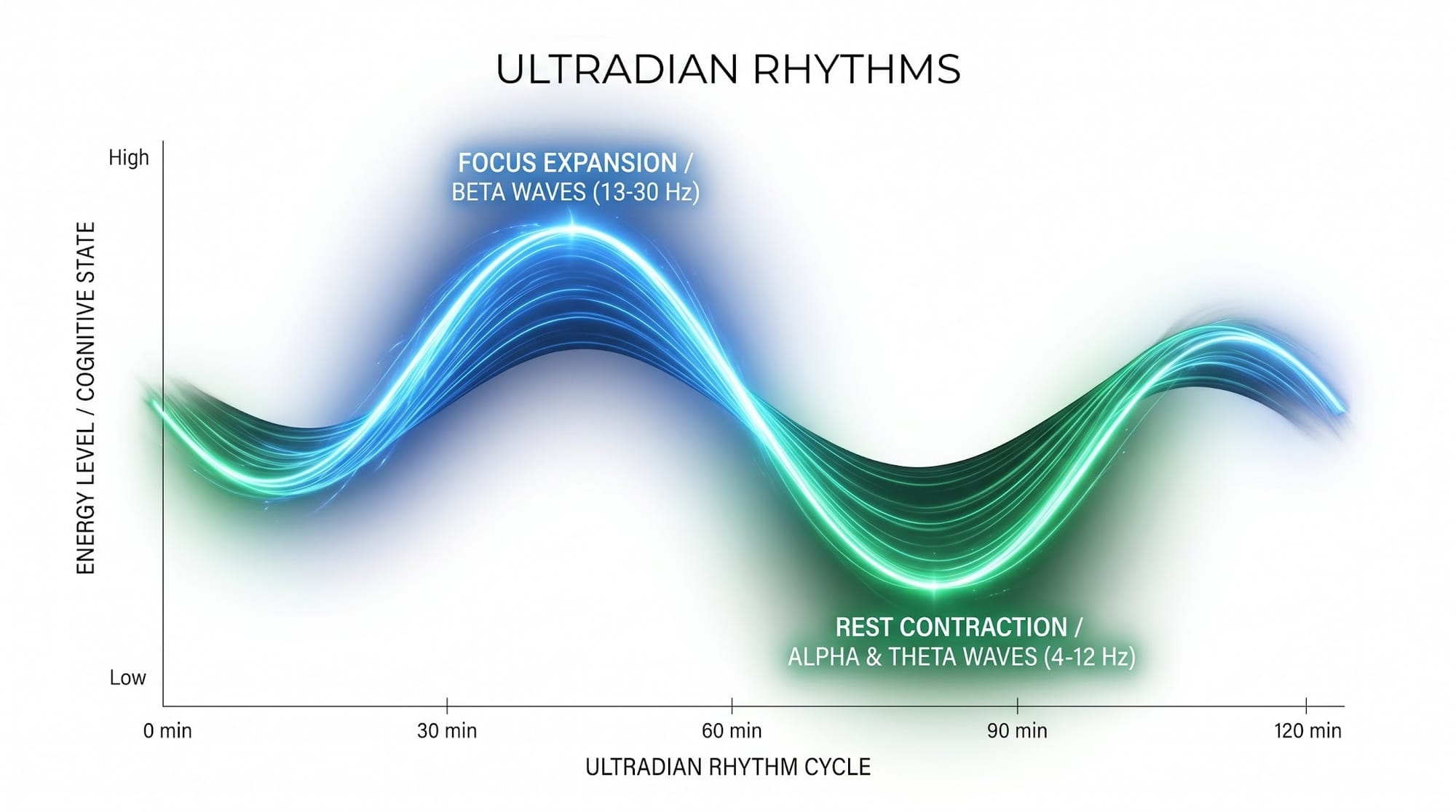
- The Tool (The Mind Cycle): Your brain is not a machine designed for constant input; it naturally functions in 90- to 120-minute focus blocks known as Ultradian Rhythms. Creativity requires an alternating current of focus expansion and rest contraction; the focus peak is an expansion of electrical activity (beta waves), while an intentional break allows the nervous system to slide into alpha or theta waves. In these exact states, intuitive insights bypass the critical mind. Respect this mind cycle by ensuring at least one full evening or day of rest per week, allowing the sacral mental "soil" to recover naturally away from screens and productivity metrics.
Contribution to Community & World

- The Seed & Flower: Compassion, simple kindness, and selfless service blossom into mutual connection, positive impact, and a lasting legacy.
- Practical Actions: Research local volunteer opportunities, perform a random act of kindness, or make eco-conscious choices in your daily life.
- Potential Pitfalls: Taking on too much and burning out, or feeling entirely overwhelmed and cynical regarding global problems.
- The Tool (Toroidal Field Radiance): After completing an act of service, mentoring someone, or donating to a cause, sit quietly for a moment. Visualize your personal energetic field as a spinning torus—a donut-shaped electromagnetic field of light radiating outward from your heart center. See the positive impact of your action moving outward, threading into a larger global energetic grid that connects you directly to other souls working to support the world, bringing a deep, grounded sense of purpose and legacy.
💎 Somatic Grounding Integration: "The Intention Stone"

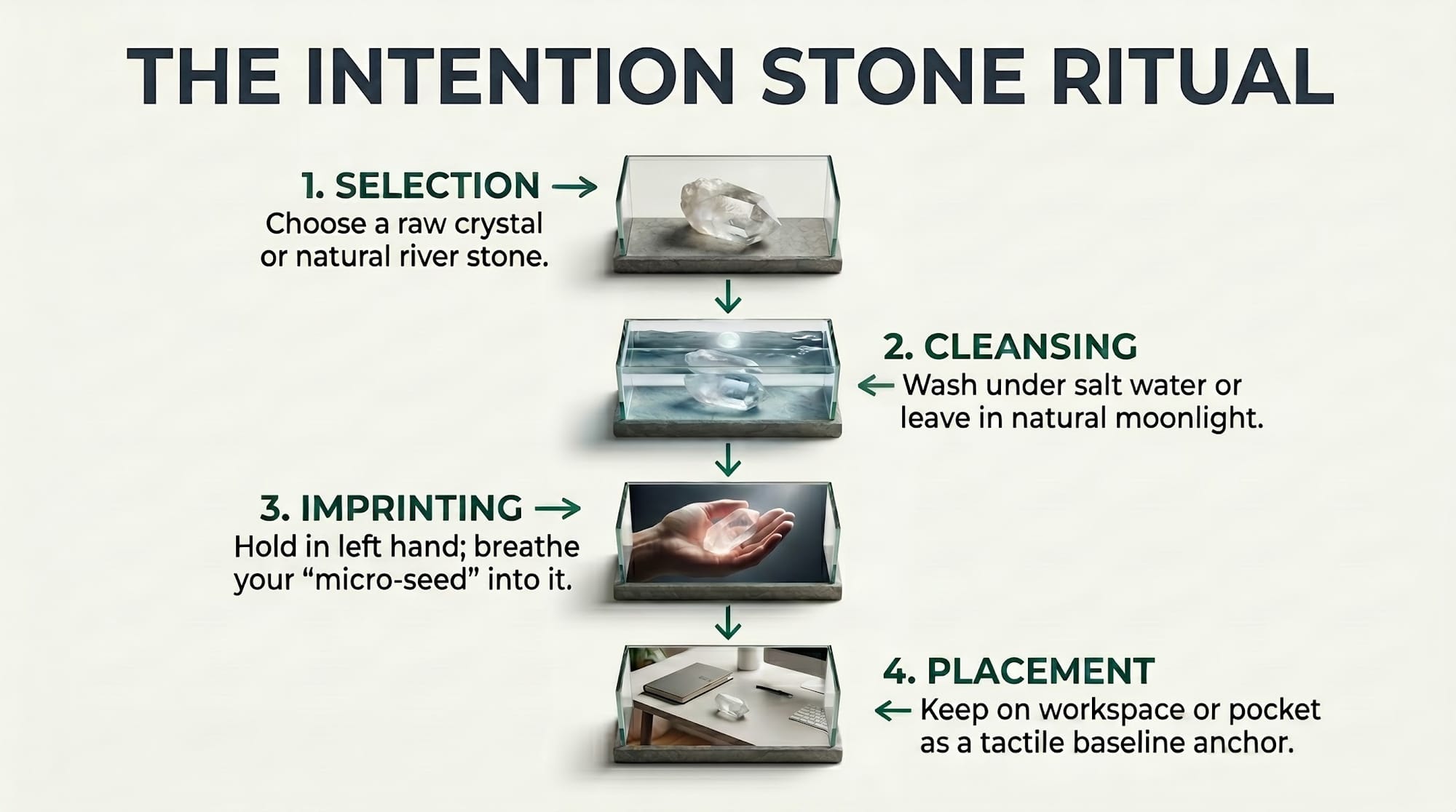
To ensure these abstract metaphysical concepts do not remain mere theories in the mind, use a tangible physical anchor called The Intention Stone. This practice merges physical touch, environmental mindfulness, and psychological focus into a seamless daily ritual.
Step-by-Step Implementation Guide
- Selection: Find a small, raw crystal (such as clear quartz for clarity or smoky quartz for grounding) or a smooth stone from a natural environment like a beach or forest floor.
- Cleansing: Wash the stone under running salt water, or leave it exposed to the moonlight overnight to clear any previous energetic signatures, preparing it as a pristine, fertile medium.
- Resonance Loading: Hold the stone in your left hand—traditionally considered the receptive side of the body. Close your eyes and focus intensely on the specific, small action you have scheduled for the week. Identify a specific physical sensation in your body that aligns with your goal (e.g., confidence feels like heat in the chest; security feels like a heavy stillness). Actively generate and amplify that physical sensation while holding the stone. Imagine breathing that frequency and intention directly into the stone's crystalline structure.
- Tactile Anchoring: Place this stone directly on your desk, your budget notebook, or carry it in your pocket. Whenever your mind wanders into negative self-talk, anxiety, or procrastination, physically pick up the stone. The cool, heavy texture serves as an immediate somatic baseline, bringing your nervous system right back into the present moment—the only space where future potential can be actively planted and nurtured.
"The cool, heavy texture serves as an immediate somatic baseline, bringing your nervous system right back into the present moment."
⚡ Weathering the Storms: Resilience and Adapting to Challenges

Life, like gardening, is not always entirely predictable. Storms happen—unexpected illnesses, sudden career changes, or relationship difficulties. Sometimes seeds do not sprout, and unexpected problems arise. Adaptability is where true resilience comes into play:
- Acknowledge and Learn: Not every single seed will grow into a perfect flower, and some efforts won't bring the exact results you hoped for. See disappointments or failures not as final endings, but as valuable lessons for the next time you plant. Ask yourself gently: What worked? What didn’t? What did I learn? What can I do differently next time?
- Practice Cognitive Reframing: Build your ability to bounce back by actively seeking alternative perspectives on setbacks. Pair this with radical self-compassion—treating yourself with the same kindness you'd offer a dear friend during tough times. Use mindfulness to observe and manage difficult emotions without letting them overwhelm your progress.
- Strengthen Your Roots: Remember that enduring difficulties often force us to deepen our roots, strengthening our core values, internal resilience, and support systems. A hardier, more vibrant plant often emerges from a weathered storm.
- Seek Shelter and Support: You do not have to weather life's storms completely alone. Lean on your cultivated relationships and seek guidance from trusted friends, family, mentors, therapists, or coaches when things get heavy. Resilience isn’t about avoiding hard times; it’s about learning to handle challenges, grow from them, and keep caring for your goals even after tough moments.
🧺 Reaping the Rewards: An Ongoing Harvest of Fulfillment

Embracing this wisdom empowers you to shift from passively waiting to actively co-creating your daily experiences. When making choices, you learn to align your decisions with your aspirations by asking a simple, clarifying question: "Is this action planting a seed for the future I actually desire?"
True fulfillment is an ongoing harvest, and it's about much more than just crossing a final goal off your list. Honest, aligned effort cultivates the wisdom you gain, the resilience you build, the relationships you strengthen, and a deep sense of peace and purpose.
Take time to notice, appreciate, and celebrate your harvest, no matter how small the progress feels. Recognizing your efforts keeps you beautifully motivated and makes the journey incredibly rewarding. Growth is a continuous cycle of planting, reaping, sharing, and starting again.
When your harvest comes in, remember to share it. Whether you give back by mentoring others with your expertise, sharing your resources, supporting meaningful causes, or simply acknowledging the people who supported you along the way, you enrich the entire garden ecosystem for everyone involved.
🌱 Call to Action: Planting Your First Micro-Seed

Don't wait for a far-off, "perfect" moment. Start small, and start right now.
- Identify One Area: Choose just one of the eight key domains where you'd like to cultivate immediate growth.
- Define One Small Step: What is one simple, actionable "micro-seed" you can plant this week? Make it concrete:
- Health: Do 5 minutes of mindful stretching before bed tonight.
- Relationships: Text a friend you haven't spoken to in a while just to say a warm hello.
- Learning: Spend 15 minutes researching an online course or reading an article.
- Creativity: Sit quietly and brainstorm ideas for a creative project for 10 minutes.
- Schedule It & Anchor It: Open your calendar right now and block out a specific time to take this step. Once you've committed, hold your Intention Stone to anchor the promise to your nervous system.
Take the action and plant the seed. To build steady momentum, consider keeping a simple journal to track your initial efforts, your nurturing actions, and the beautiful little sprouts that begin to emerge.
Your potential is already alive within you, waiting in the present moment. Take a look at your life’s garden today: What is one important seed you can plant right now to help create the flourishing future you want?
“Our actions and decisions today shape how we will live. And so it is.”
Disclaimer: We provide this content for informational and educational purposes only to offer tools for personal growth and holistic guidance. This content does not replace professional medical, financial, or psychological advice. Consult with qualified professionals before making significant changes to your health, finances, or lifestyle.
If my writing made you pause, smile, or think, I’d love your support:
Your support helps me keep writing and sharing these ideas with you.
📚 Recommended Reads & Resources

Books (via Izalgo Bookstore)
Scientific Foundations
- The Power of Full Engagement by Jim Loehr and Tony Schwartz: This text breaks down the exact 90- to 120-minute Ultradian Rhythm Cycles discussed in Section 3.7, proving that managing energy, not time, is the true key to high performance and avoiding burnout.
- The Vagal Reset: The Hidden Key to Reclaim Your Energy, Combat Stress, and Embody Resilience by Helen Fox: A deep biological dive into the Vagus nerve as the body's physical "brake" on stress, offering scientific insight into how moving your gaze shifts the nervous system into a restorative, "rest and digest" healing mode.
- The Source: The Secrets of the Universe, the Science of the Brain by Dr. Tara Swart: Bridges cognitive science with intention by exploring neuroplasticity and the Reticular Activating System (RAS), demonstrating how auditing your mental focus physically programs neural pathways to scan the environment for opportunity.
- The Biology of Belief by Bruce H. Lipton: Explores groundbreaking research in epigenetics, illustrating how our thoughts, beliefs, and environmental signals can directly alter cellular function and physically shape our biological reality.
- The Body Keeps the Score by Bessel van der Kolk: Acts as the definitive guide on how emotional trauma and psychological stress manifest physically in the body, providing essential context for understanding how somatic tension blocks energetic potential.
Metaphysical & Esoteric Theories
- Life on the Edge: The Coming of Age of Quantum Biology by Jim Al-Khalili and Johnjoe McFadden: The book doesn’t focus strictly on "gardening"; it is the definitive, mainstream book exploring exactly how living systems exploit quantum mechanics. It has a magnificent, highly readable section dedicated entirely to photosynthesis, explaining how plants use quantum coherence to transfer energy through their light-harvesting complexes with near-perfect efficiency. It turns subatomic physics into a beautiful narrative about the magic of life and growth.
- The Subtle Body: An Encyclopedia of Your Energetic Anatomy by Cyndi Dale: Provides the structural background for the Somatic Map and Geography of Consciousness, tracking how emotional energy overlays major biological nerve plexuses and endocrine glands.
- Eastern Body, Western Mind: Psychology and the Chakra System as a Path to the Self by Anodea Judith: Seamlessly aligns psychological well-being with somatic centers, perfectly matching the domains of stability (coccygeal plexus), purpose (celiac plexus), and relationship opening (cardiac plexus).
- The Intention Experiment by Lynne McTaggart: Examines the hard science behind focused thought, validating the mechanics behind practices like Toroidal Field Radiance and demonstrating how unified intention impacts physical reality.
- Becoming Supernatural by Dr. Joe Dispenza: Blends quantum physics with ancient mysticism to explain how deliberately shifting your brain waves and aligning your energetic field can tangibly rewrite your future.
Practical "How-To" Elements
- Somatic Internal Family Systems Therapy by Susan McConnell: Offers concrete, hands-on toolkits for Somatic Softening Practices, teaching you how to consciously place your hand on "braced" tissues to unlock stagnated potential.
- Light on Prānāyāma by B.K.S. Iyengar: The definitive practical guide for ancient energetic control, including explicit instructions for the Breath of Fire (diaphragmatic breathing) used to activate personal power and willpower in the solar plexus.
- Mudras: Yoga in Your Hands by Gertrud Hirschi: A functional directory of sacred hand gestures, featuring the step-by-step application of the Prithvi (Earth) Mudra used to anchor physical security and override structural anxiety.
- Atomic Habits by James Clear: Delivers a highly actionable framework for planting "micro-seeds"—teaching readers how to implement tiny, 1% daily adjustments that compound into massive transformations across all domains of their life garden.
- The Miracle of Mindfulness by Thich Nhat Hanh: Provides foundational guidance on staying anchored in the present moment through simple, everyday actions, perfectly complementing the tactile mindfulness required for the Intention Stone ritual.
Online Resources
Somatic & Autonomic Regulation
- Insight Timer: Search their directory for guided Trataka (candle-gazing) sessions or structured Breath of Fire timers to safely guide your rapid, rhythmic diaphragmatic breathing activations.
- Open (Breathwork & Meditation App): Features specific nervous system regulation programs that focus on shifting your gaze and altering eye muscle positioning to manually trigger a Vagal Reset.
- Othership: A highly active breathwork application designed to help you shift your state in minutes, offering guided audio sessions specifically calibrated to release physical bracing and regulate the autonomic nervous system.
- Apollo Neuro: The accompanying app for the Apollo wearable delivers specific, silent vibrational frequencies to the body, physically coaxing the nervous system out of a stressed "fight or flight" state and into a grounded, healing mode.
- Somatic Experiencing International Directory: An essential database to find certified practitioners who can safely guide you through advanced somatic tracking and the release of severe physical bracing when self-guided softening is not enough.
Focus, Rhythm, & Mind Cycles
- Centred: A desktop app that allows you to build custom 90-minute focus expansion blocks based on Ultradian Rhythms, prompting an intentional transition into alpha/theta wave rest contraction periods when the block ends.
- Session: A clean, highly effective timer that allows you to build custom 90-minute focus expansion blocks based on Ultradian Rhythms, actively prompting intentional transitions into rest contraction periods to bypass mental fatigue.
- Brain.fm: Uses strong neural phase-locking audio to steer your brainwaves—providing Beta-wave audio during intense career execution and shifting to Alpha/Theta-wave soundscapes to allow creative insights to bypass the critical mind during rest cycles.
- Endel: Generates personalized, AI-driven soundscapes that align perfectly with your circadian rhythms and biological cycles, physically supporting your transition between deep focus and necessary somatic rest.
- Pomofocus: A highly accessible, browser-based timer that helps you execute immediate "micro-seed" actions by breaking overwhelming creative or professional tasks into manageable, highly focused time sprints.
Mindset Auditing & Intention Tracking
- Day One: An excellent digital environment to host an active Akasha Journaling template or log your daily Observer’s Audit, allowing you to pause quickly, identify what you are focusing on, and actively redirect your attention to a success "seed" in 10 seconds.
- Notion: A powerful digital workspace to host an active Akasha Journaling template or log your daily Observer’s Audit, allowing you to build comprehensive dashboards to track growth across the eight domains of your life garden.
- SoBrief: An AI-powered platform designed to help you quickly grasp the key takeaways of dense books related to energy management and holistic well-being in about 10 minutes.
- Mindvalley: An educational platform featuring micro-learning programs on neuroplasticity, energetic healing, and cognitive reframing, providing structured daily video lessons to support continuous mental gardening.
- The Five Minute Journal App: The perfect digital companion for replacing the "weeds" of negative self-talk, offering specific daily prompts to actively track gratitude, set intentions, and enforce positive cognitive reframing.
Approach all books and resources with an open mind, recognizing that no single source is definitive, complete, or free from controversy and debate. Trust your intuition and inner guidance to discern what truly resonates with your personal path. If a concept or historical detail does not align with your truth, you are encouraged to disregard it and prioritize what best serves your growth.
SoBrief.com is an AI-powered digital platform that provides concise summaries of an extensive catalog of books, enabling users to grasp a book's key takeaways in about 10 minutes.
🔗Affiliate Note: Some links may be affiliate links, which means we may earn a small commission at no extra cost to you. Your support helps us continue this creative and healing work. Thank you!
Izalgo co-produced the images herein with AI-powered software.
Copyright ©️IZALGO, LLC. All Rights Reserved