Adventures Asleep
Does time exist when we sleep, or does memory write the script? Your dreams are more than random images—they are a hidden language where science meets spirit. Discover how to decode your night mind and unlock true self-mastery in waking. Dive in!

Where Science Meets Spirit: Understanding Dreams for Personal Growth
Have you ever wondered whether time is real while we sleep, or whether our memories create the story as we go? Maybe you’ve woken up from a dream that stuck with you all day. Many of us have felt the lingering effect of a dream that seemed to carry a deeper meaning.
🦉The Hidden Language of the Night Mind
What if dreams are more than just random pictures? What if they offer clues, guidance, or even healing from deep within your mind?
Dream interpretation isn’t just an old tradition. It’s a helpful way to understand yourself, both spiritually and mentally. Throughout history and across cultures, people have seen dreams as special messages, sometimes from the soul, ancestors, or something greater than ourselves.
It’s not a coincidence that the word "dream" means both a wish and a goal. Turning a wish into a goal shows personal ambition. But dreaming while we sleep can also help us reach our full potential.
In this post, we’ll explore dreams together. You’ll find out how dreams connect your subconscious to your goals, what science says about their importance, and how you can start understanding your own dreams to learn and grow.
"Does time actually exist when we sleep, or does memory just write the script as we go?"
🌗The Dual Nature of Dreams: Nighttime Visions and Waking Aspirations

The word “dream” means two things. At night, dreams bring us to unusual places where logic disappears, and emotions lead the way. During the day, our dreams are our hopes and goals for the future. These two types of dreams are closely linked. When we sleep, our subconscious can show us our deepest hopes and fears.
For example, if you dream of being chased, it might mean you want to escape stress. Flying in a dream could show a wish for freedom. But what if you could become aware while dreaming? Lucid dreaming, which means being fully conscious while still asleep, lets you guide your dreams. Some spiritual traditions even view these vivid flying dreams as out-of-body experiences, in which your mind travels beyond your body for a short time.
Whether you’re exploring new worlds in your dreams or just working through your day, connecting your dreams to your daily life means seeing them as meaningful messages rather than just random pictures. Dreams can show us who we are and who we’re becoming.
🔬The Science and Spirit Behind the Subconscious Mind
We might not know everything about dreams, but science shows they are important for our mental and emotional health. Here’s why:
- Emotional processing: Dreams allow us to process emotions safely and symbolically, helping us navigate fears, grief, or unresolved tension.
- Memory consolidation: During REM sleep, the brain organizes new memories and integrates them with what we already know. Memory consolidation is neuroplasticity at work. When we think about our dreams, we help build new brain pathways that make us more resilient in daily life.
- Problem-solving: Our dreaming mind is creative and not limited by logic. It often comes up with new solutions we might not notice when we’re awake.
- Creative inspiration: Many artists and writers, such as Salvador Dalí and Mary Shelley, have said that dreams have given them important ideas for their work.
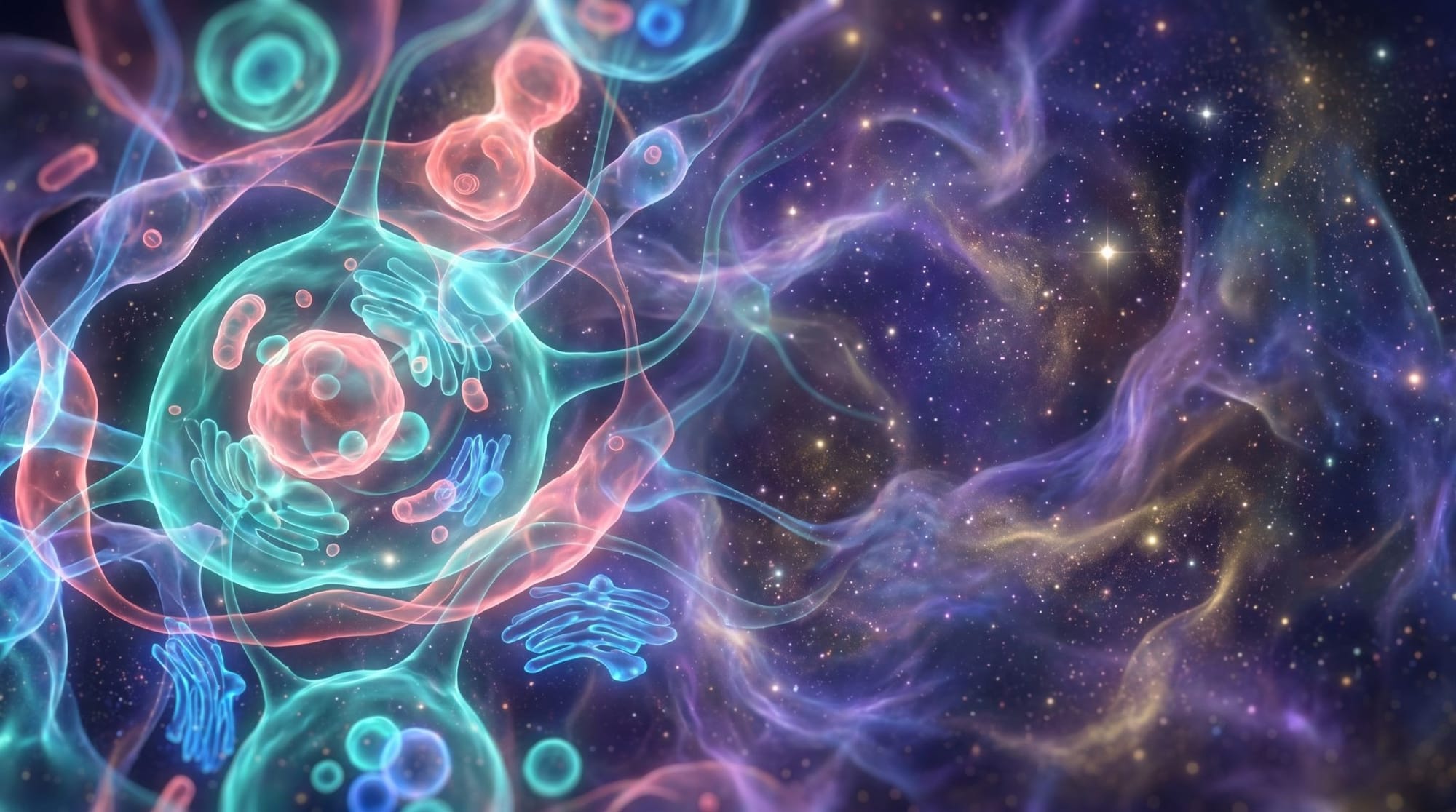
Neuroscientist Matthew Walker explains that during REM sleep, the brain processes emotions and forms new, creative connections. Sleep also benefits our bodies physically, especially by supporting cellular health. When our cells are well-rested, our minds are better able to handle complex ideas and symbols.
These creative connections reach beyond just our own minds. Carl Jung called this the "collective unconscious," meaning we all share some universal memories. When we meet certain characters in our dreams, we often encounter deep archetypes, such as the Shadow (our hidden traits) and the Wise Guide, that have existed since ancient times.
🌿Holistic and Somatic Sleep Rituals

Being mindful during the day can help you remember your dreams at night. Doing a simple routine before bed can get your mind ready for deeper understanding.
To make your bedtime routine even better, try adding body-based practices and energy management. You could try heart-focused breathing, listen to calming sounds like binaural beats or special music, or drink herbal teas like mugwort or blue lotus to help prepare your mind for dreaming.
As you fall asleep, try saying this: “Tonight, I welcome any dream that helps me understand myself more deeply.” You can also ask yourself a question before bed. This technique, called dream incubation, has been used since ancient Greece and Egypt.
🧭5 Proven Strategies for Dream Interpretation

You don’t have to be a psychologist to understand your dreams. Just stay curious, consistent, and kind to yourself. Here are five easy ways to start exploring your dreams and find their deeper meanings:
- Keep a Dream Journal: Write down your dreams as soon as you wake up. Even small details, images, or feelings matter. If you can't write right away, try recording a voice memo or making a quick sketch. Keeping a journal is like the "observer effect" in psychology: paying attention to your dreams changes how they affect you in daily life.
- Look for Recurring Themes and Symbols: Pay attention to places, people, or situations that appear often in your dreams. These are not random—they are clues from your subconscious. For example, dreaming about teeth falling out often means anxiety, feeling out of control, or fear of aging.
- The "Feeling" Log and Somatic Mapping: Pay more attention to the main emotions you felt in the dream than to the exact events. You can also notice where in your body you felt these feelings. For example, if you try to run but your feet are stuck, it might point to a root chakra issue. Try sorting your dream’s main theme into one of five energy areas: physical, mental, emotional, spiritual, or creative.
- Embrace Personal Symbolism: Don’t rely only on dream dictionaries. They can give ideas, but your own connection to a symbol matters most. If you dream of a cat, think about your own experiences with cats. Your personal history is the best guide for your dreams.
- Connect to Waking Life Events: Try the "last 48 hours" rule. Think about any big events, conversations, or thoughts from the two days before your dream. Dreams often work through recent experiences, and connecting your dream’s mood to these events can help you understand it quickly.
🥁Deepening the Practice: Shamanic Contexts & Dream Dialogues

Some people dream of spirit animals, ancestors, or important figures who feel familiar to them. These powerful dreams are similar to the Australian Aboriginal idea of "Dreamtime," a timeless place where past, present, and future coexist. Dreams can help us think about time in a new way, showing how history and future possibilities meet in the present. You can explore this space by trying shamanic journeying, using rhythmic drumming to enter a trance and connect with these guides.
You can also try "dream re-entry," a meditation where you revisit a dream while awake. You might ask questions, change the story, or look for more answers. This practice, found in many indigenous traditions, shows how flexible and interactive dreams can be.
Another method is Dream Dialogue. Choose a symbol, character, or object from your dream and write out a conversation with it. Ask questions like, "Why are you here?" or "What do you need from me?" The goal is to go beyond your usual way of thinking to understand the dream’s true message.
🛠️From Dream Insights to Real-World Action

Dreams are more than reflections; they can help you grow. Real change comes when you use what you learn from your dreams in your daily life. It’s like turning the challenges of a tough dream into the strengths you need for self-mastery.
"Think of this as the spiritual alchemy of emotion: taking the heavy elements of a difficult dream and transforming them into the gold of waking self-mastery."
To put these insights into practice, try these simple action steps the next time you have a powerful dream:
If you dream of painting, dancing, or building something, don’t dismiss it. Let it lead you to new creative outlets. Unsure about a path? Your dreams may be highlighting what your rational mind is avoiding. Trust their direction.
📢Call to Action

Start your dream journey today. Tonight, place a notebook by your bed and write down any dream you remember, even if it’s just a small detail. Take time to reflect and explore. Your dreams hold pieces of your truth, waiting for you to find them. You don’t need all the answers—stay open to discovery.
Try a 30-day dream challenge: write down your dreams, think about them, and reconnect with yourself.
Your dreams can guide you, and you might find hidden treasures inside.
“Our actions and decisions today will shape how we will live. And so it is.”
🔑Key Takeaways
- Dream interpretation helps you understand yourself better and can lead to personal growth by revealing insights from your subconscious mind and energetic state.
- Our dreams at night and our goals during the day are connected.
- Both reflect what we want, what we fear, and where we are directing our energy.
- To interpret your dreams more effectively, try keeping a dream journal, noticing repeating archetypes and symbols, and mapping your somatic (physical) responses during sleep.
- Practicing mindfulness and holistic wind-down rituals can help you remember your dreams better, tune your frequency, and explore their meanings more deeply.
- Dreams can help you grow by showing you unresolved issues, offering spiritual guidance, and sparking new creative ideas.
Disclaimer: The concepts and exercises shared in this post are for educational and exploratory purposes only. While dream work and energy management are powerful tools for personal growth, they are not a substitute for professional medical or psychological advice, diagnosis, or treatment. Always consult with a qualified healthcare provider for any questions regarding mental or physical health.
If my writing made you pause, smile, or think, I’d love your support:
Your support helps me keep writing and sharing these ideas with you.
📚Recommended Reads & Resources

Books (via Izalgo Bookstore)
Scientific Foundations
- Why We Sleep: Unlocking the Power of Sleep and Dreams by Matthew Walker: This essential text builds directly on research on REM sleep, emotional processing, and the brain's ability to form new, creative connections during rest. It serves as a rigorous scientific anchor for understanding how quality sleep supports the body at a cellular level and enhances our capacity to process complex ideas.
- The Brain That Changes Itself by Norman Doidge: Offering a fascinating dive into neuroplasticity, this book perfectly supports the concept of rewiring the nervous system through intentional observation. It provides a biological basis for the "Timeline Editing" strategy, illustrating how analyzing our experiences can actively build new neural pathways that foster daytime resilience.
- The Body Keeps the Score: Brain, Mind, and Body in the Healing of Trauma by Bessel van der Kolk: This psychological text delivers the ultimate scientific grounding for releasing trapped energy stored in the physical body. It meticulously explains the mechanics of the fight-or-flight response and reinforces the necessity of physical somatic release to neutralize triggers and achieve self-mastery.
- Breath: The New Science of a Lost Art by James Nestor: This exploration of respiratory science complements the holistic practice of heart-focused breathing for regulating the nervous system. It offers actionable breathing techniques that readers can seamlessly integrate into their bedtime wind-down rituals to prepare their minds and bodies for deeper, more restorative sleep.
Metaphysical & Holistic Theories
- Man and His Symbols by Carl G. Jung: A foundational text that brilliantly expands on the idea of a shared "collective unconscious" containing universal memories. It provides readers with the necessary framework to decode powerful nighttime archetypes—such as the Shadow and the Wise Guide—that have existed since ancient times.
- The Way of the Shaman by Michael Harner: For readers eager to explore timeless spaces where past, present, and future coexist, this classic manual offers a thorough introduction to navigating them. It expands extensively on the practice of shamanic journeying and the use of rhythmic drumming to connect with ancestral guides and spirit animals.
- Eastern Body, Western Mind: Psychology and the Chakra System As a Path to the Self by Anodea Judith: This insightful guide beautifully bridges somatic psychology with ancient energetic systems, aligning perfectly with the strategy of mapping bodily responses. It is an indispensable resource for readers looking to audit their energy pillars and address physical sensations, such as understanding what a root chakra blockage represents.
- Women Who Run with the Wolves: Myths and Stories of the Wild Woman Archetype by Clarissa Pinkola Estés: Delving deep into myth and esoteric storytelling, this book helps identify and confront repressed parts of the personality. It empowers readers to actively face Jung's "Shadow" archetype, turning the heavy, frightening elements of avoidance dreams into the gold of waking self-mastery.
Practical "How-To" Elements
- Exploring the World of Lucid Dreaming by Stephen LaBerge & Howard Rheingold: Geared toward individuals intrigued by the idea of becoming fully conscious while asleep, this text offers a rigorous yet accessible curriculum. It teaches tangible techniques for guiding your dreams, helping you shift from a passive observer to an active director of your nighttime visions.
- Inner Work: Using Dreams and Active Imagination for Personal Growth by Robert A. Johnson: Serving as a highly practical, Jungian-based guide, this book acts as a comprehensive manual for engaging directly with the subconscious. It perfectly complements the "Dream Dialogue" technique by teaching readers how to actively converse with their dream symbols and characters to uncover hidden messages.
- Dream Tending: Awakening to the Healing Power of Dreams by Stephen Aizenstat: Expanding upon the interactive nature of the dreaming mind, this book presents actionable frameworks for revisiting and modifying dream narratives. It heavily supports the practice of "dream re-entry," demonstrating how to ask questions and consciously change a dream's story while fully awake.
- Atomic Habits: An Easy & Proven Way to Build Good Habits & Break Bad Ones by James Clear: While not strictly about dreams, this behavioral manual is vital for readers looking to translate nighttime insights into real-world action. It provides a concrete blueprint for taking the psychological clarity gained from a dream and actively building it into small, brave actions and daily holistic routines.
Online Resources
Scientific Foundations & Neurological Platforms
- Huberman Lab: A premier science and health platform providing deep dives into neuroplasticity and cellular rest. The site offers evidence-based protocols that readers can use to optimize their REM sleep cycles and support their bodies at the mitochondrial level, enhancing cognitive function.
- HeartMath Institute: This platform is dedicated to the science of cardiac coherence and provides concrete, measurable tools to regulate the nervous system. It offers actionable research and exercises to help users implement the heart-focused breathing techniques recommended as part of a holistic bedtime ritual.
- The Lucidity Institute: Serving as a leading scientific hub for sleep exploration, this site provides rigorous resources, techniques, and community support. It is designed specifically to help users master lucid dreaming and safely navigate out-of-body experiences with grounded, evidence-based methodologies.
- Sleep Foundation: A comprehensive, medically reviewed repository of sleep science that explores the mechanics of memory consolidation and emotional processing. The platform provides readers with the clinical foundations necessary to understand why restorative sleep is crucial for forming new brain pathways.
Metaphysical, Esoteric & Holistic Communities
- The Jung Page: An expansive online library of essays, articles, and community discussions dedicated to depth psychology. It serves as a vital resource for individuals seeking to decode universal archetypes, understand the collective unconscious, and interpret the hidden language of the night mind.
- Foundation for Shamanic Studies: A trusted global resource dedicated to preserving and teaching indigenous wisdom. The platform offers workshops and insights into the Aboriginal concept of Dreamtime, guiding users safely through shamanic journeying to connect with familiar spirit guides.
- LonerWolf: A deeply spiritual platform that provides practical guidance on esoteric personal growth. It offers specialized resources on "Shadow Work," helping users confront the repressed parts of their personality that often manifest as being chased or trapped in a dream.
- The Monroe Institute: A pioneer in the exploration of human consciousness, this platform provides audio technologies, such as binaural beats, to help users safely alter their state of awareness. It is ideal for those utilizing calming sounds to prepare the mind for profound dreaming and energetic frequency tuning.
Practical "How-To" Tools & Lifestyle Integrations
- Insight Timer: A versatile application offering thousands of guided Yoga Nidra sessions, solfeggio frequencies, and meditations. It effortlessly supports body-based practices and bedtime wind-down routines that set an intentional, resonant frequency before sleep.
- Izalgo: A dedicated environment for exploring the harmonious integration of scientific, holistic, and metaphysical perspectives. Through in-depth resources and articles, it provides a central hub of concrete tools and practical advice to help users move from tension to deep inner tranquility.
- SoBrief: An AI-powered digital platform that provides concise summaries of an extensive catalog of books. It enables users to quickly grasp key takeaways regarding energy management, well-being, and scientific sleep strategies in about 10 minutes.
- Oniri: A smooth, sophisticated lucid-dreaming and journaling application designed to capture nighttime visions immediately upon waking. With intuitive features such as advanced search capabilities, pattern tracking, and a unique drawing tool for sketching dream imagery, it flawlessly supports the 30-Day Dream Challenge. This platform empowers users to consistently track personal symbols, analyze recurring themes, and map out their path to waking self-mastery.
Approach all books and resources with an open mind, recognizing that no single source is definitive, complete, or free from controversy and debate. Trust your intuition and inner guidance to discern what truly resonates with your personal path. If a concept or historical detail does not align with your truth, please disregard it and prioritize what best serves your growth.
SoBrief.com is an AI-powered digital platform that provides concise summaries of an extensive catalog of books, enabling users to grasp a book's key takeaways in about 10 minutes.
🔗Affiliate Note: Some links may be affiliate links, which means we may earn a small commission at no extra cost to you. Your support helps us continue this creative and healing work. Thank you!
Izalgo co-created the images in this post using AI software.
Copyright ©️IZALGO, LLC. All Rights Reserved